
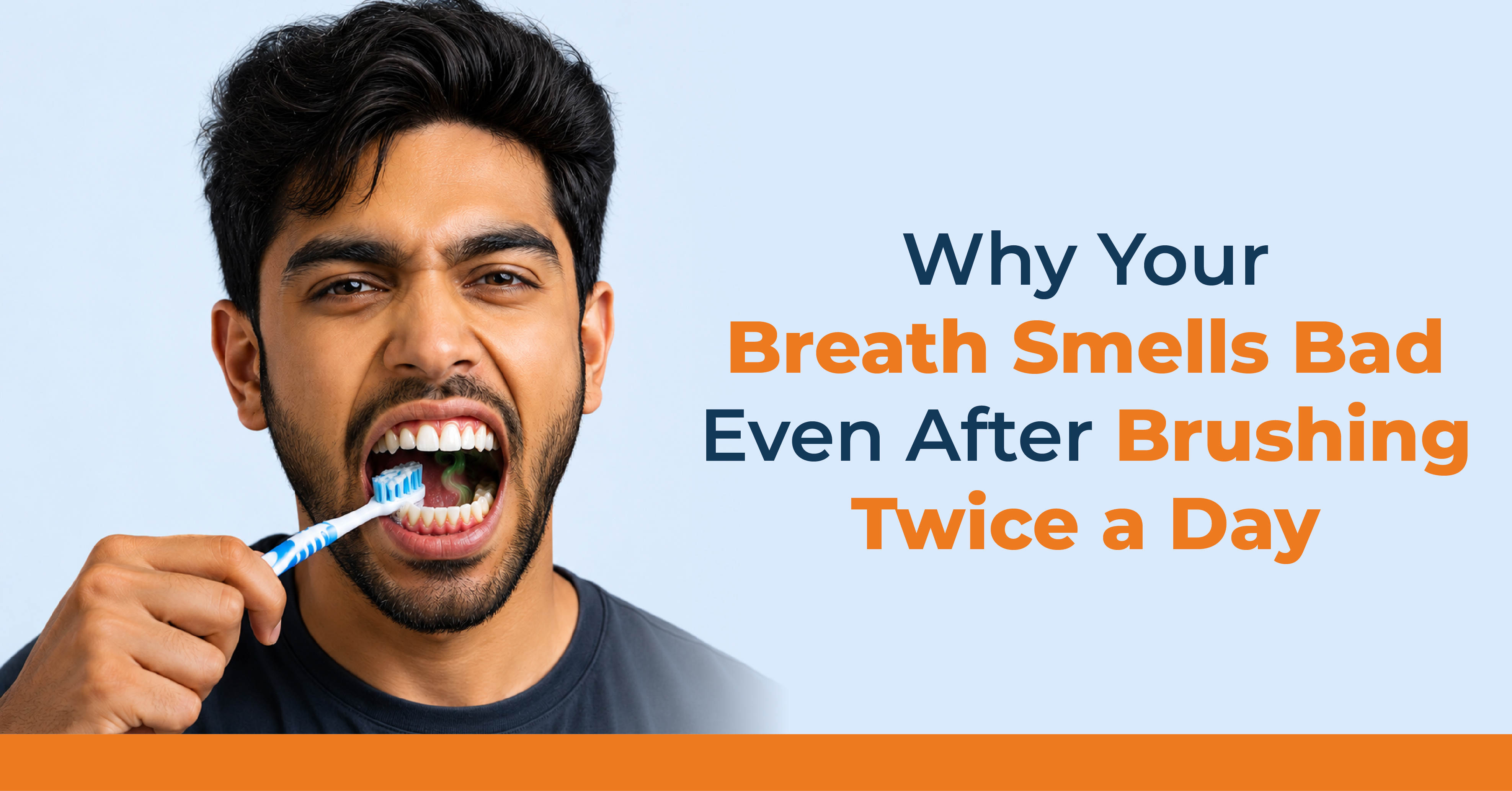
Brushing your teeth twice a day is one of the most important habits for maintaining oral hygiene. Yet many people still struggle with bad breath even after following a regular brushing routine.
This situation can feel frustrating and embarrassing. You brush properly, use toothpaste, maybe even rinse your mouth, but the unpleasant odor keeps returning after a few hours — or sometimes immediately after brushing.
The truth is that bad breath, also known as halitosis, is not always caused by poor brushing alone. In many cases, the real causes are hidden deeper inside the mouth or connected to lifestyle habits, diet, stress, digestion, or overall health.
Bad breath can affect confidence, social interactions, workplace communication, and personal relationships. Many people rely on chewing gum, mouth fresheners, or flavored products for temporary relief without understanding the root problem.
Understanding the actual causes of persistent mouth odor is important for improving oral health and maintaining long-lasting fresh breath.
Here is everything you need to know about why your breath may still smell bad even after brushing twice daily and what you can do to improve it naturally.
Is Brushing Twice a Day Enough to Prevent Bad Breath?
Brushing twice daily is essential for removing plaque, food particles, and bacteria from teeth surfaces. However, brushing alone may not always eliminate all causes of mouth odor.
Bad breath can originate from multiple sources, including:
- Bacteria on the tongue
- Gum disease
- Dry mouth
- Digestive issues
- Poor flossing habits
- Food particles trapped between teeth
- Smoking or tobacco use
- Sinus or throat infections
This means that even people with good brushing habits can still experience persistent bad breath if other factors are being ignored.
Common Reasons Your Breath Smells Bad Even After Brushing
Several hidden causes may contribute to bad breath despite regular brushing.
Bacteria Accumulating on the Tongue
One of the biggest overlooked causes of mouth odor is bacteria buildup on the tongue.
The tongue contains tiny grooves and uneven surfaces where food particles, dead cells, and bacteria can collect. These bacteria produce sulfur compounds that create unpleasant odors.
Many people brush their teeth carefully but forget to clean their tongue properly.
Using a tongue cleaner or gently brushing the tongue may help reduce odor-causing bacteria significantly.
Dry Mouth and Reduced Saliva
Saliva plays an important role in naturally cleaning the mouth and washing away bacteria.
When saliva production decreases, the mouth becomes dry, allowing odor-causing bacteria to multiply more easily.
Dry mouth can happen due to:
- Stress or anxiety
- Dehydration
- Mouth breathing
- Smoking
- Certain medications
- Poor sleep habits
Morning breath is often worse because saliva production naturally decreases during sleep.
Staying hydrated and maintaining healthy saliva flow can help improve breath freshness.
Food Particles Trapped Between Teeth
Even after brushing, food particles may remain trapped between teeth if flossing is neglected.
These trapped particles gradually break down and create unpleasant odor.
Flossing helps remove debris and plaque from areas where toothbrush bristles cannot reach effectively.
Without flossing, bad breath may persist despite regular brushing.
Gum Disease and Plaque Buildup
Gum disease is one of the most common causes of chronic bad breath.
When plaque and bacteria accumulate around the gums, they may cause:
- Gum inflammation
- Bleeding gums
- Infection
- Persistent mouth odor
In some cases, people may not even realize they have early gum disease because symptoms develop gradually.
Regular dental checkups are important for detecting and managing gum problems.
Poor Oral Hygiene Habits Beyond Brushing
Good oral hygiene involves more than just brushing teeth.
People may still experience bad breath if they:
- Skip flossing
- Avoid tongue cleaning
- Use old toothbrushes
- Brush too quickly
- Ignore dental cleanings
- Consume excessive sugary foods
Complete oral care habits are necessary for maintaining fresh breath consistently.
Smoking and Tobacco Use
Smoking affects saliva production, gum health, and bacterial balance inside the mouth.
Tobacco products also leave strong odors that may persist even after brushing.
Long-term smoking increases the risk of gum disease, dry mouth, and chronic bad breath.
Digestive Problems and Acid Reflux
Sometimes bad breath may not originate inside the mouth at all.
Digestive issues such as acid reflux, indigestion, or stomach imbalance may contribute to unpleasant breath odor.
When stomach acids move upward into the throat, they may affect breath smell and oral comfort.
People experiencing digestive symptoms along with bad breath should consider medical evaluation.
Sinus Infections or Tonsil Problems
Sinus congestion, postnasal drip, throat infections, or tonsil stones may also contribute to persistent bad breath.
Bacteria and mucus accumulation in the throat or nasal passages can create unpleasant odor even if oral hygiene is good.
Signs That Bad Breath May Need Medical Attention
Occasional mouth odor is normal, especially after certain foods or long hours without eating. However, persistent bad breath should not be ignored.
Seek professional advice if you experience:
- Bad breath lasting several weeks
- Bleeding or swollen gums
- Dry mouth continuously
- White coating on tongue
- Tooth pain or cavities
- Acid reflux symptoms
- Frequent throat infections
- Persistent unpleasant taste in the mouth
These signs may indicate underlying oral or medical conditions.
Best Habits for Long-Lasting Fresh Breath
Maintaining fresh breath requires a complete oral care routine and healthy lifestyle habits.
Brush Properly Twice Daily
Brush for at least two minutes using proper technique and fluoride toothpaste.
Replace toothbrushes regularly for effective cleaning.
Clean Your Tongue Daily
Tongue cleaning helps remove bacteria and debris that contribute to odor.
This simple habit can significantly improve breath freshness.
Floss Regularly
Flossing removes trapped food particles and plaque from between teeth.
Daily flossing is essential for complete oral hygiene.
Stay Hydrated
Drinking enough water helps maintain saliva production and reduces mouth dryness.
Hydration is one of the easiest ways to support fresher breath naturally.
Limit Sugary Foods and Smoking
Excess sugar promotes bacterial growth, while smoking affects oral health and saliva production.
Reducing these habits may improve breath quality.
Visit Your Dentist Regularly
Professional dental cleanings help remove plaque buildup and identify oral health problems early.
Routine checkups are important even if brushing habits are good.
Foods That May Help Support Fresh Breath Naturally
Certain foods may help improve oral freshness naturally.
Crunchy Fruits and Vegetables
Apples, carrots, and cucumbers may help stimulate saliva and clean the mouth naturally.
Yogurt and Probiotic Foods
Probiotics may help support healthy bacterial balance in the mouth and digestive system.
Fresh Herbs
Mint, parsley, and fennel may provide temporary freshness and support oral comfort.
Final Thoughts
Bad breath even after brushing twice a day can be frustrating, but it is often a sign that something beyond brushing may need attention.
Tongue bacteria, dry mouth, gum disease, trapped food particles, digestive issues, smoking, and lifestyle habits can all contribute to persistent mouth odor.
The good news is that improving oral hygiene habits, staying hydrated, managing stress, flossing regularly, and seeking professional dental care can help address the root causes of bad breath more effectively.
Fresh breath is not only important for confidence and social interactions — it is also an important indicator of overall oral health and wellness.
FAQs
1. Why do I still have bad breath after brushing my teeth?
Bad breath may still occur due to tongue bacteria, dry mouth, gum disease, trapped food particles, digestive issues, or poor flossing habits.
2. Can dry mouth cause bad breath?
Yes, reduced saliva production allows odor-causing bacteria to multiply more easily, contributing to mouth odor.
3. Is tongue cleaning important for fresh breath?
Yes, bacteria buildup on the tongue is one of the most common hidden causes of bad breath.
4. Can stomach problems cause bad breath?
Yes, digestive issues like acid reflux or indigestion may contribute to unpleasant breath odor.
5. How can I improve bad breath naturally?
Maintaining proper oral hygiene, flossing, cleaning the tongue, staying hydrated, eating healthy foods, and avoiding smoking may help improve breath freshness.